
“I can’t turn my brain off! How do I get these painful thoughts to stop?”
Traumatic and emotionally powerful images, memories and thoughts root themselves in our brain and by force of their emotional weight create well-worn neural pathways that our brain uses to remember and recall. A problem with these thoughts is they carry with them painful emotions that make us feel like we are experiencing our loss all over again.
Sometimes the thoughts come as we are lying down to sleep, or they wake us in the middle of the night and keep us from returning to sleep again. Often, they appear with no perceptible trigger or reason at all! The resulting onslaught of painful emotions can leave us with an inability to concentrate or focus, a panic or fear of re-experiencing a painful memory, or an overwhelming sadness or hopelessness associated with significant loss.
Refuse to argue or fight with thoughts
Because arguing or fighting with painful thoughts can embed them even more deeply, an effective course of action is to use the principle of replacement to “replace” the thought with a new and better one.
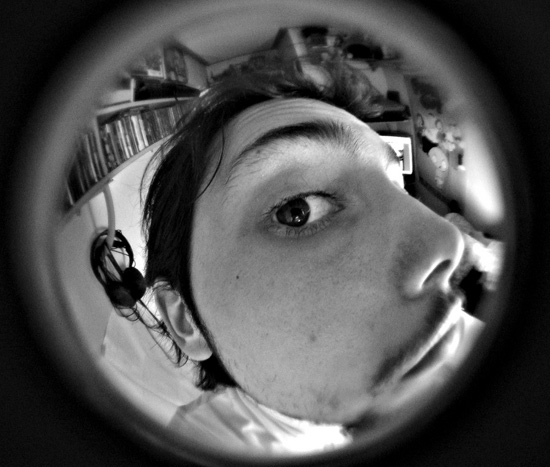
Imagine a painful thought knocking at the door of your mind. Seeing it through the peephole with your mind’s eye, instead of welcoming it in and offering it a comfortable chair or inviting it for dinner to spend the night consuming your precious time and energy, simply refuse to open the door. If the painful thought is already deep inside and creating anxiety, choose a more desirable thought to take its place.
We cannot stop painful thoughts from knocking at the door, but we can refuse to invite them in
When you see the painful thought at the door, recognize it for what it is. There is no need to deny the reality of the pain and what caused it. Acknowledge the reality of your loss, but realize you are free to focus on whatever you want, and you do not have to be a victim to these anxiety producing thoughts. “I see you and I recognize you, and I know that you really did happen. I am not denying you, but I am refusing to give you control of any more space in my thoughts.”
Initiate the principle of replacement
Instead of inviting the painful thought inside, inhale and exhale a deep, slow breath and as you begin to breathe normally again, relax your breathing slightly just a little deeper and a little slower than normal. At the same time, select a thought from your library of positive, regenerative, and happy memories. Play the thought like a video, welcoming it in and enjoying it as it unfolds.
Allow for plenty of detail as you follow the story activating all your senses. Imagine how what you’re experiencing feels, tastes and smells, along with vivid colors and even the sounds involved. Memorize how this feels and make a sincere attempt to hold the feeling for as long as you can.
Recognize your choice point
From this place of calm, you realize you have a choice. You do not have to be a prisoner to your painful thoughts. You have agency. There are a few things you control. You can choose the thoughts to which you give more time and attention. Making healthy choices will always be easier from this place of calm.
Keep working to collect a library of positive, regenerative videos from the stories you have in your memories. Some of those stories will involve the person you lost, and while connected to the painful memory, they are rooted in happier experiences and have the power to shift your emotions to healthy.
Create new neural paths
You will become expert over time at recognizing thoughts that demand access at the door of your mind, and skilled at replacing them with more encouraging, uplifting ones using the principle of replacement. This will create new familiar neural pathways in the brain and minimize the impact of previously painful memories. You will also find your other tools of mindfulness, being present in the moment, and grounding exercises to be helpful in replacing painful thoughts and memories.